Corrugación en frío: qué es, cómo funciona y por qué es importante

Cold corrugation is a method of manufacturing corrugated board where the fluting medium is mechanically formed and bonded to linerboard using ambient-temperature adhesives and pressure.  

The process eliminates the need for steam systems, thus reducing energy consumption, simplifying plant infrastructure, and enabling corrugated board production in facilities where conventional corrugators are impractical and/or inefficient.

¿Qué es la corrugación en frío?

The process follows four core steps:

  • Mechanical fluting
    The fluting paper is formed into a corrugated profile using profiled rollers at ambient temperature.
  • Adhesive application
    A cold-curing adhesive is applied to the flute tips at room temperature.
  • Pressure bonding
    Linerboard is bonded to the fluted medium using controlled pressure.
  • Immediate usability
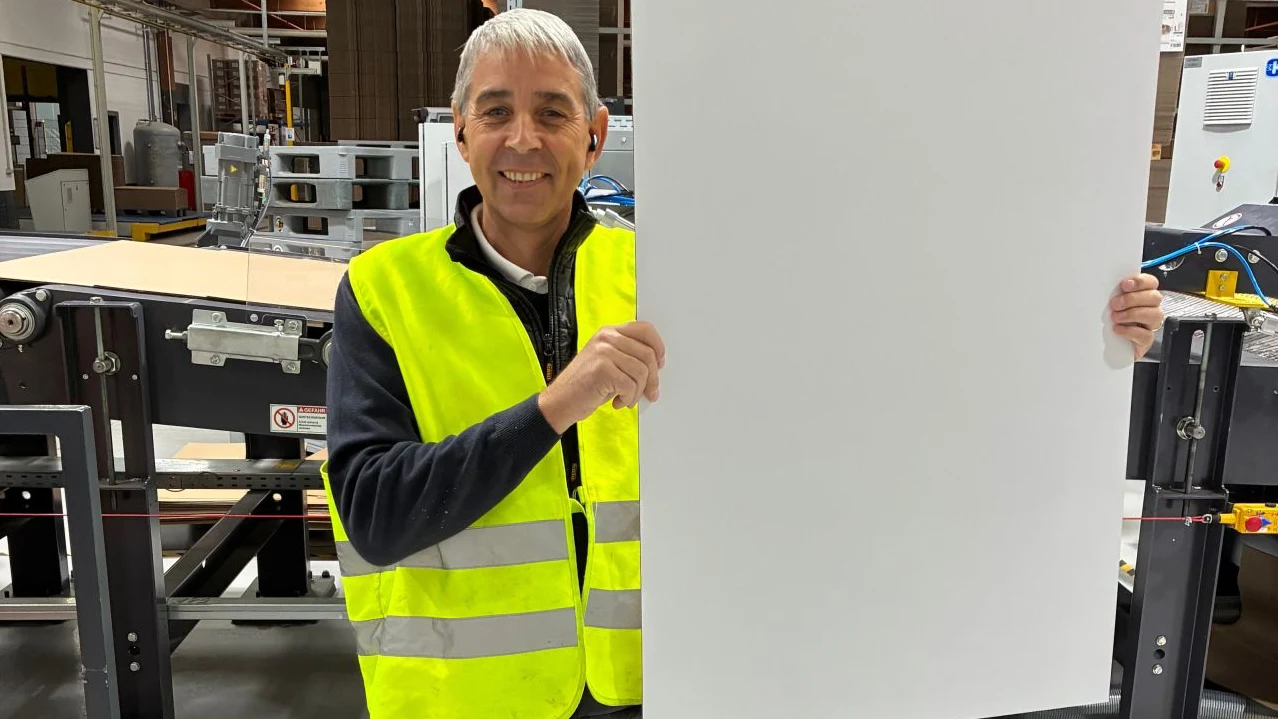
    Produced board can be converted almost straight off the line and has an outstanding print surface.

The benefits of the cold corrugation process are significant and include:

Considerations Cold Corrugation Conventional Corrugation
Steam Production Not required Always on
Adhesive curing Ambient temperature Heat required
Energy consumption Low Very high
Start-up time Short Longer
Typical footprint Highly compact Very large
Infrastructure complexity Low Very high

Cold corrugation delivers cost reductions, environmental benefits and reduced waste.  A typical return on investment, for sheet converters who make their own board using cold corrugation, is less than three years.

Por qué existe la corrugación fría

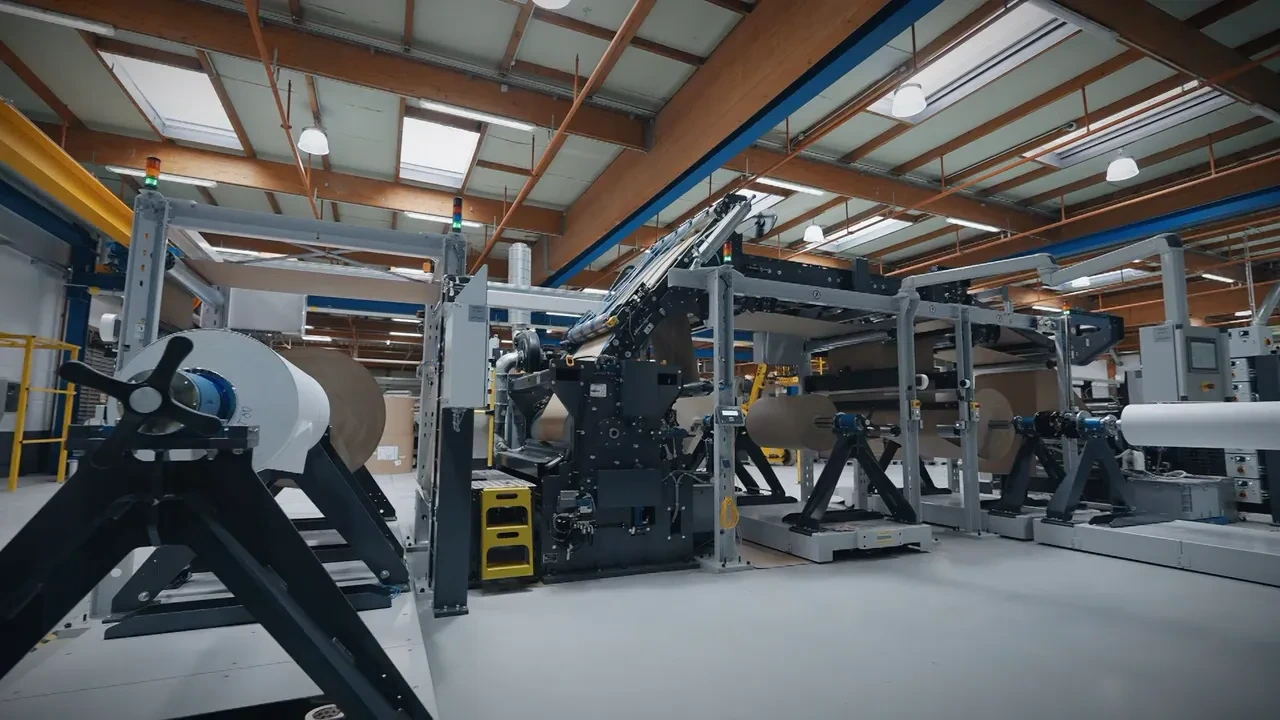
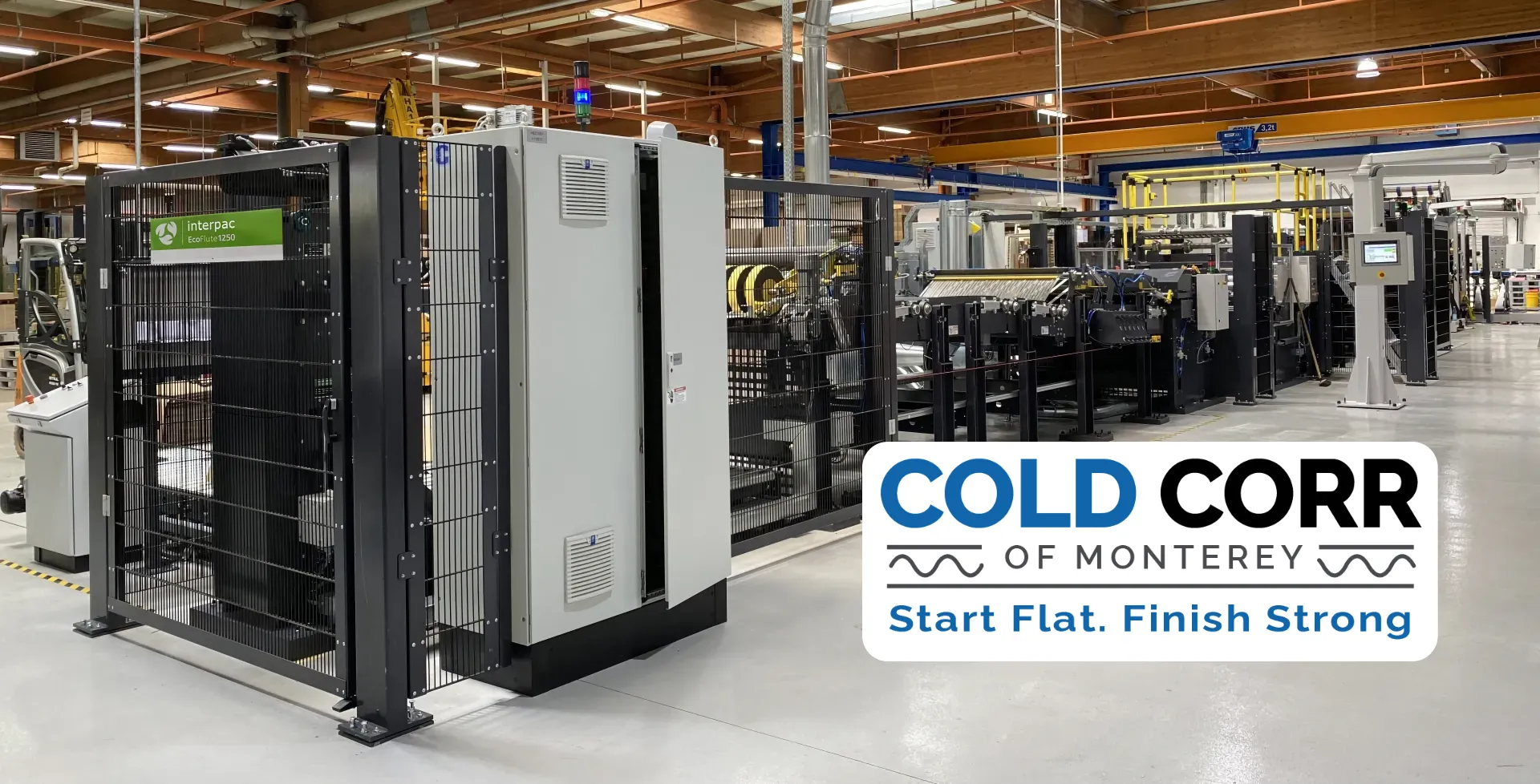
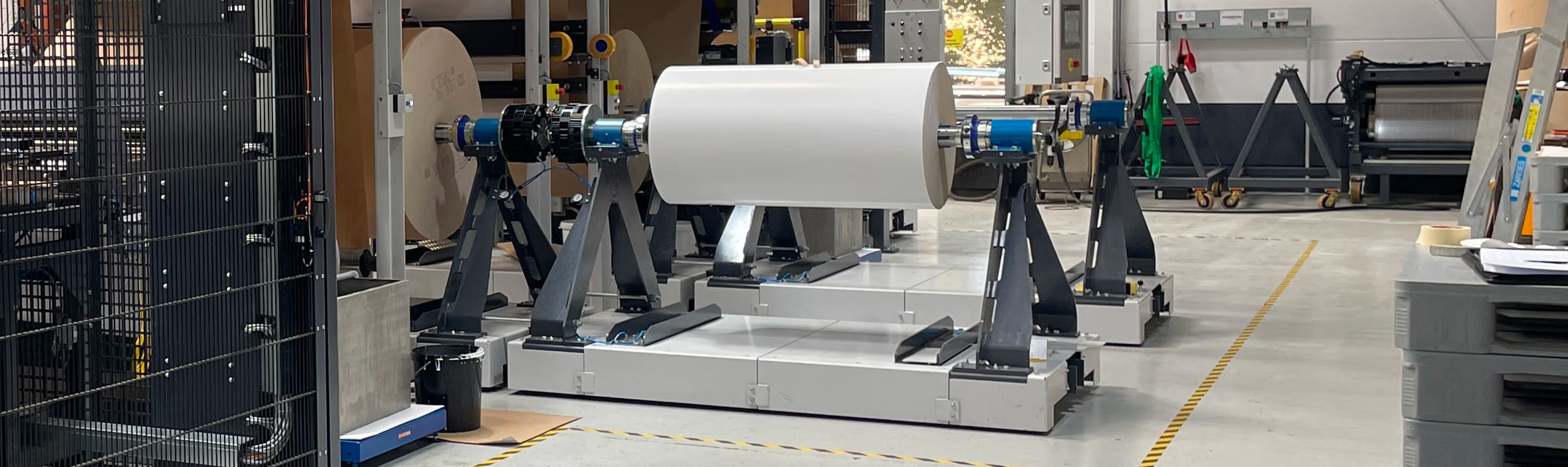
Conventional corrugation systems were designed for centralised, high-volume production.  The Interpac 1250 Cold Corrugator helps address the limitations of that model by moving production closer to the point of use, giving decentralised, lower-carbon and more flexible corrugated board production.  

The cold process is not intended to replace ultra-high-volume corrugators, but serves customers where efficiency, footprint, and energy use matter most.  It is particularly suited to:

  • Sheet plants seeking reduced energy costs
  • Box manufacturers wanting independence from board suppliers
  • Facilities without steam or boiler infrastructure
  • Manufacturers targeting low-carbon packaging
  • On-demand or decentralised production environments
  • Geographies where transport time and costs are high

Resumen

The Interpac 1250 Cold Corrugator delivers a steam-free corrugating process in which:

  • The fluting medium is shaped mechanically
  • Adhesives cure at ambient temperature
  • Bonding is achieved through pressure

And delivers benefits including:

  • Significantly reduced energy consumption
  • A very compact physical footprint
  • Short start-up and shut-down cycles (low waste)
  • Much lower capital and operating costs
  • High quality printable board

Preguntas frecuentes

01
¿La corrugación en frío usa calor?

No. La corrugación en frío no utiliza calor ni vapor en ninguna etapa del proceso de ondulación o unión.

02
¿Es lo mismo la corrugación en frío que una sola cara?

No. Muchas caras individuales todavía dependen del calor. La corrugación en frío se refiere específicamente a

03
¿La corrugación en frío es más baja en carbono?

Sí. La eliminación del calor y el vapor reduce significativamente el consumo de energía y las emisiones de CO₂ asociadas.
Obtener actualizaciones periódicas

Manténgase al día con información exclusiva, eventos y mucho más

Al enviar, acepta recibir actualizaciones ocasionales de Interpac.
Ver nuestro Política de Privacidad.

¡Gracias! ¡Su envío ha sido recibido!
¡Ups! Algo salió mal al enviar el formulario.
120+ plantillas
personalización
Contrata a nuestro equipo
//Guy Added First Touch Code - Truncated Keys