.svg)
Latest articles
Follow Us


Cold corrugation is a method of manufacturing corrugated board where the fluting medium is mechanically formed and bonded to linerboard using ambient-temperature adhesives and pressure.
The process eliminates the need for steam systems, thus reducing energy consumption, simplifying plant infrastructure, and enabling corrugated board production in facilities where conventional corrugators are impractical and/or inefficient.
The process follows four core steps:
The benefits of the cold corrugation process are significant and include:
Cold corrugation delivers cost reductions, environmental benefits and reduced waste. A typical return on investment, for sheet converters who make their own board using cold corrugation, is less than three years.
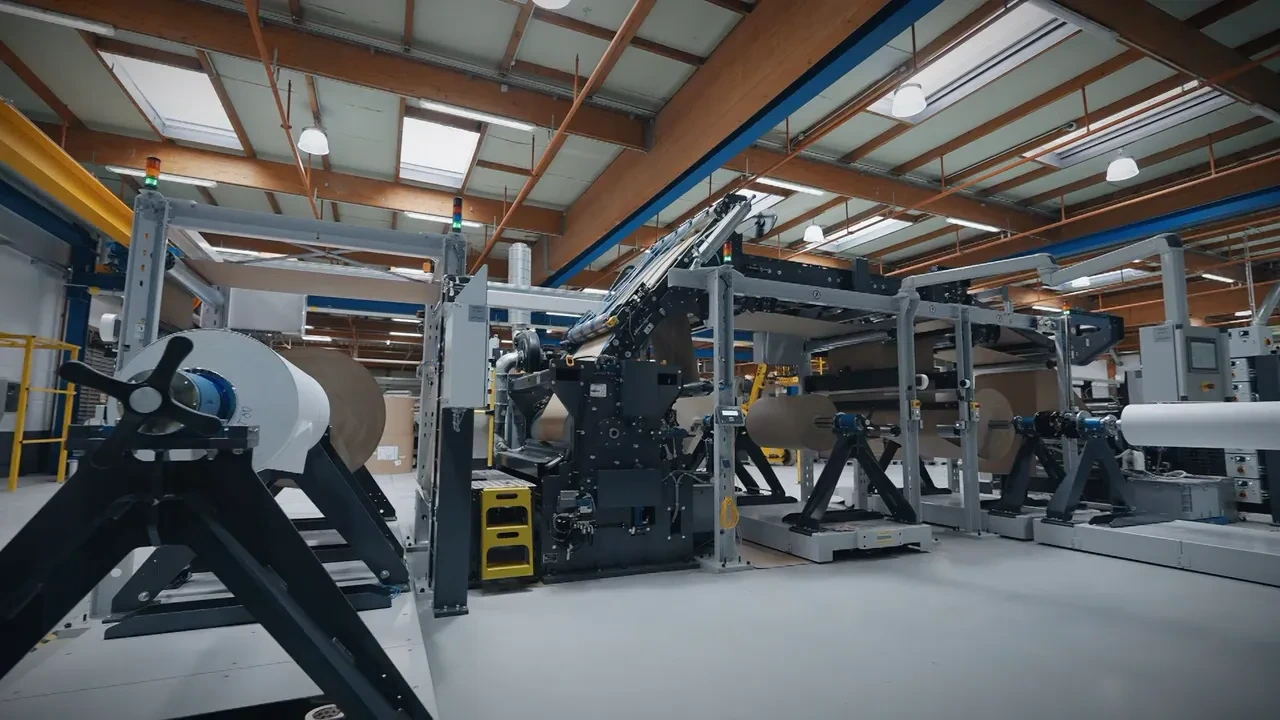
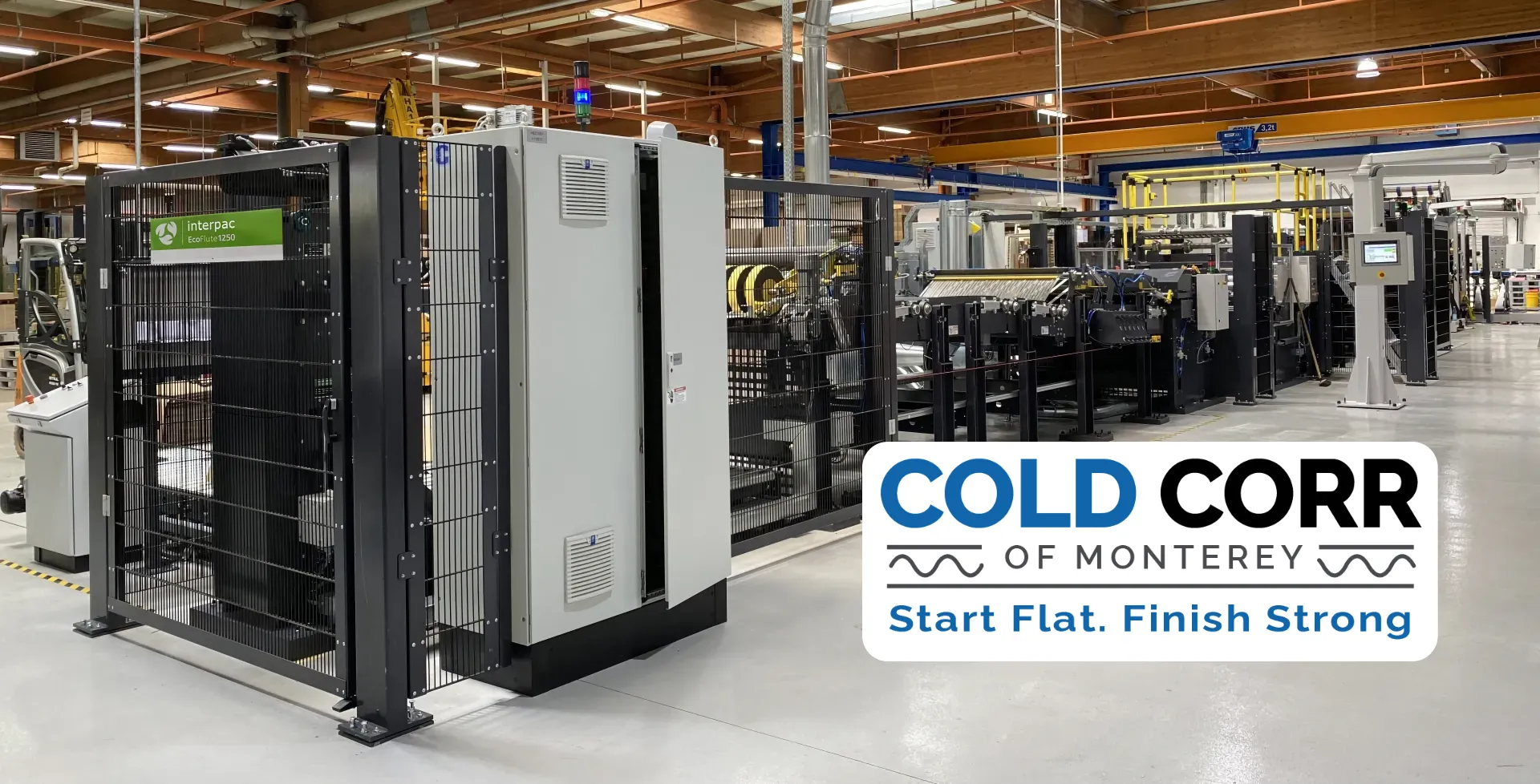
Conventional corrugation systems were designed for centralised, high-volume production. The Interpac 1250 Cold Corrugator helps address the limitations of that model by moving production closer to the point of use, giving decentralised, lower-carbon and more flexible corrugated board production.
The cold process is not intended to replace ultra-high-volume corrugators, but serves customers where efficiency, footprint, and energy use matter most. It is particularly suited to:
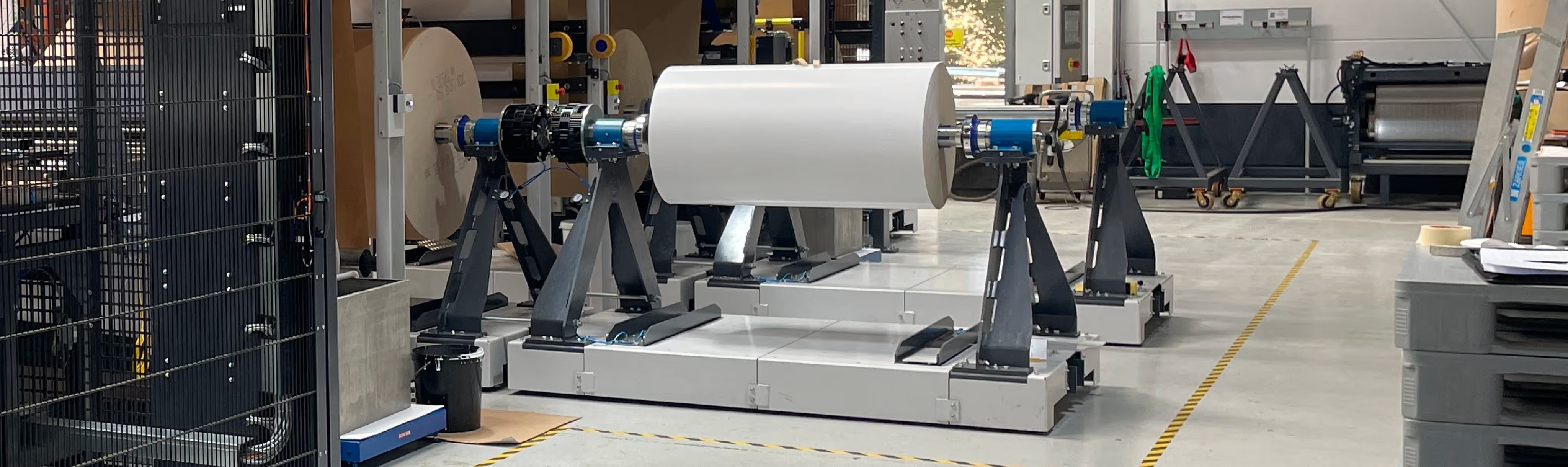
The Interpac 1250 Cold Corrugator delivers a steam-free corrugating process in which:
And delivers benefits including:
No. Cold corrugation does not use steam at any stage of the corrugating or bonding process.
Cold corrugation serves different use cases. It is ideal for low-energy, compact, or decentralised production rather than ultra-high-volume board mills.
Yes. Manufacturing locally and eliminating steam significantly reduces the energy consumption and CO₂ emissions associated with making corrugated board.